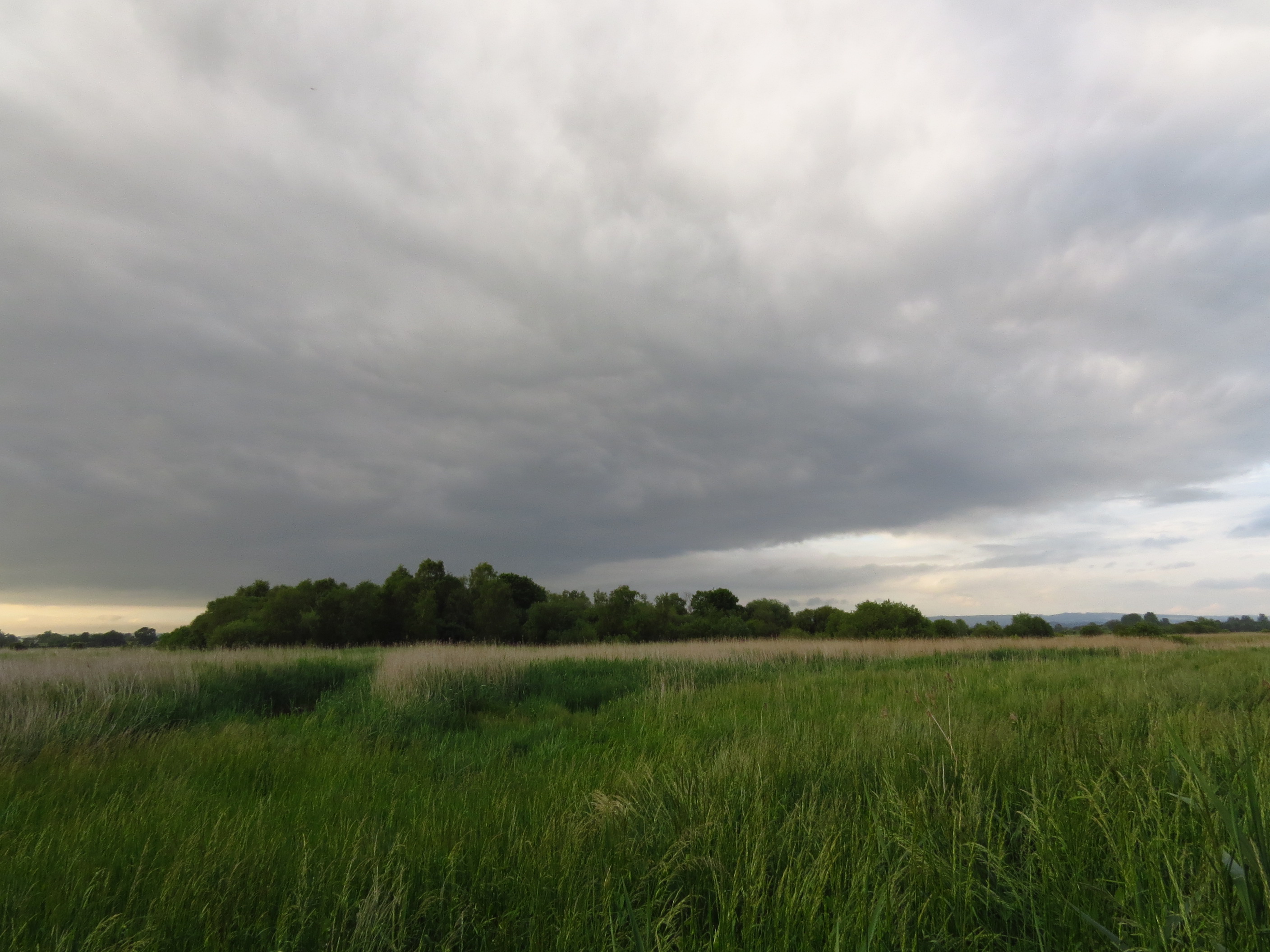
As I prepared to upload the images for this posting a large flock of jackdaws has flown noisily past the back of the house. It happens every year. Every day during the winter months in the morning the daws flock noisily from their roost past our house at a very low level, so low I am at daw-level watching them from the bedroom window. Then in the afternoon they return in the reverse direction although they fly much higher over the fields at the back of the house heading to their roost, a roost that I've never actually discovered but suspect it's about 8 miles away in the woods near Clevedon.

I find winter a beautiful season, a season which if I'm truthful is the one time of the year when I have more of a craving to be outdoors observing nature than during the rest of the year. Possibly this is to do with absorbing as much daylight as possible during these short autumnal days as they morph into the very dark days before Christmas. Or maybe it is the arrival of large winter flocks of birds to find food and shelter here away from their northern breeding grounds. Sometimes it is the sunlight light levels bursting through a crystal clear atmosphere such as I observed yesterday illuminating these reed feathers at the RSPB's Ham Wall nature reserve.

We'd arrived at Ham Wall to watch the starlings come into roost. In preference I tend to avoid visits these hot spots of nature watching at weekends as there are too many people about to observe more than the regular incumbents. I made an exception yesterday. After the first frost of the season had blanketed the countryside in an iced dusting, the clear blue sky and surprisingly warm sunshine for the noted 5 degree temperature suggested a good day to see a starling murmuration over at the Avalon Marshes. We'd been there recently and watched a good number of starlings fly in around ten days ago but it had been a very blustery day and the starlings were quick to settle with little of their famed aerial display taking place. I hoped then that the calm but cold weather on this visit might produce a fine murmuration display.
At this time of the year the starlings come in to roost from around 4 o'clock. We arrived at the car park at 2.30pm and it was almost full, high-viz clad carpark operatives waved us to park sideways on in the carpark - they were expecting it to be busy. It was. Sometimes though the atmosphere of hundreds of people milling about makes for the experience. We began with beverages, Mrs Wessex-Reiver having a hot chocolate and I a filter coffee. We stood by a picnic table, taking in the atmosphere, when we were joined by a chatty lady who like us visits here regularly, but had just come today for a quick visit, though not to see the starlings. During the conversation as we sipped our drinks she and her husband mentioned a huge heronry near High Ham in Mid-Somerset which I'd not heard of before, a mental note was then made to visit there in the spring.
Saying our adieus we wandered off into the reserve, and as we did so a lady in front stopped and asked if we'd been here before. She and her husband had come from Oxford especially to see the starlings coming into roost. The Avalon Marshes cover a huge area and I can well understand someone on their first visit thinking "Where do we go". We had a good chat, I pointed out nothing is guaranteed as the birds can change where they roost each day, but I suggested she would be best to stay by Viewing Platform 1 just ahead of where we were talking and she'd be okay, not least as nearer the time the RSPB send staff along there to help people understand this marvellous piece of co-ordinated behaviour. Chatty conversation number two over, we wandered further into the reserve towards where the starlings had come in to roost ten days ago. I spied a vacant bench with a view over the reedbed, and I made myself at home here, joined by a very obliging pair of male robins who devoured the little bits of bread Mrs Wessex-Reiver had with her.
With 45 minutes before the show began Mrs Wessex-Reiver headed off for a walk while I faffed about with my camera lens which looked a little dirty. Lost in my endeavours I heard "This chap looks like he knows what he's doing, shall we stay here?" I looked up and a family of four plus dog were surrounding me. It turned out they were staying for the weekend in Somerton as the son had bought his father a 'starling weekend' for his father's birthday earlier in the year. They'd never been to Somerset before and thus had no idea what to do, so for the second time in half an hour I passed on what paltry knowledge I could muster. They were a nice family simply having a lovely time somewhere they'd looked forward to visiting for years. The draw of nature watching is strong. As we chatted a crowd began to develop around us so by the time the starlings arrived my once clear view over the reeds had become one of bobble hats, prams, children on shoulders and dogs looking bemused.

Thankfully for my new found friends the starlings gave a reasonable performance overhead. Not huge numbers of birds but a dozen or so largish flocks milling about in the sky, not murmurating exactly but very pleasant to watch as they drifted about and then into the reeds. Thinking that was the performance over we said our goodbyes and Mrs Wessex-Reiver and I began to wander slowly back to the carpark. We'd only gone a few hundred meters when we noticed a huge flock to our right in a different part of the reedbed. Sometimes the flocks of starlings converge into a single mass of activity, this evening however the various groups had formed and then split into roosting in three different areas of the reedbed. This often happens. This flock in front of us were very restless and were rising and falling into the reeds en masse. My new friends caught up with us and they saw and heard the commotion well. The chap's wife was mesmerised by what was happening and when I mentioned the noise of the wingbeats she couldn't believe it. Afterwards she thanked me for helping them have such a wonderful time. I pointed out it was the birds not me bringing joy, but I can understand having some local knowledge maybe helped their experience.

By now it was getting fairly dark so we sauntered further on to Viewing Platform 1 where we joined hundreds of people milling about, families, people on bicycles, couples, individuals unwrapping sandwiches and pouring tea from a flask, it was like a mass wildlife party, everyone enjoying the last of the light with the still restless starlings bobbing up and down in the reeds a few hundred meters away providing the entertainment. We watched this all for bit then I suggested to Mrs Wessex-Reiver we could walk out in the opposite direction onto the viewing platform at the end of the boardwalk and see what might be happening there. And I'm glad we did.
The noise from this third group of starlings deciding to roost here was astonishing. That noise came from the chattering of thousands of birds trying to settle for the night coupled with whoosh-wingbeats of those who couldn't find the right spot and were then agitatedly flying about between the reeds to find a new desirable piece of real estate. So low were some of these starling groups flying, and at quite a speed, that their passing was breaking the water surface and causing ripples and wavelets to form. By now the light was fading fast, seeing individual birds was impossible, it was simply a blur of activity. That didn't dampen the enthusiasm of the large number of people crammed into the viewing platform, no one was moving. It was now 4.45pm.
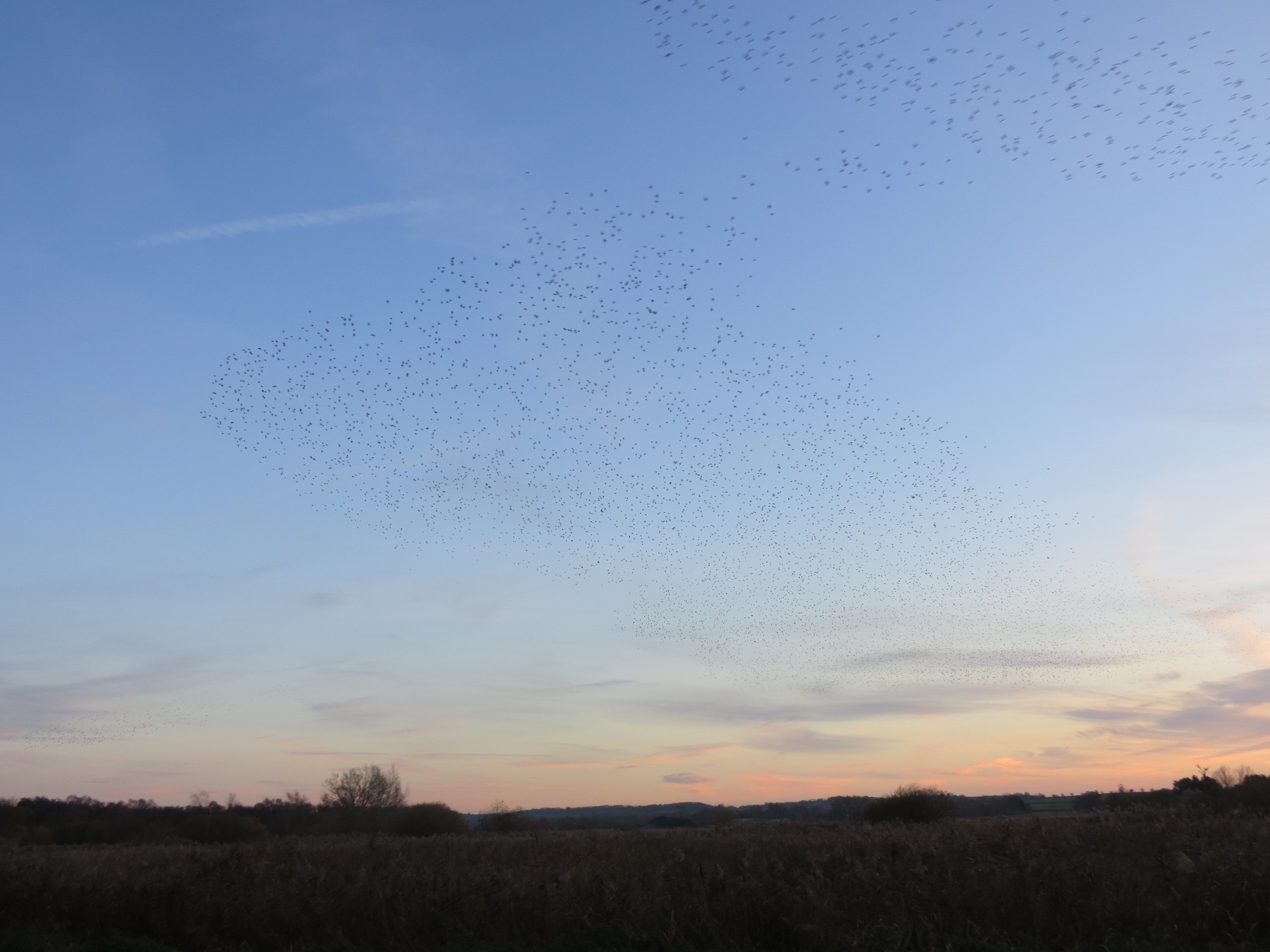
Forty five minutes of entertainment by nature just doing what it does every day. As we walked back I noticed moonlight reflected on one of the pools. A moment of stillness in a landscape still chaotic with both visitors and nature on the move. Approaching the main path through the reserve those visitors were still ten deep still watching the starlings doing their thing. That's such a lovely thing to see as I suggest most people there were very much like the people we chatted to, day visitors, some visiting for the first time, others regulars but maybe not hardened birdwatchers, families out for a bit of exercise, friends meeting up. Simply people coming out on a Saturday evening to watch nature's own unpredictable version of Strictly Come Dancing.